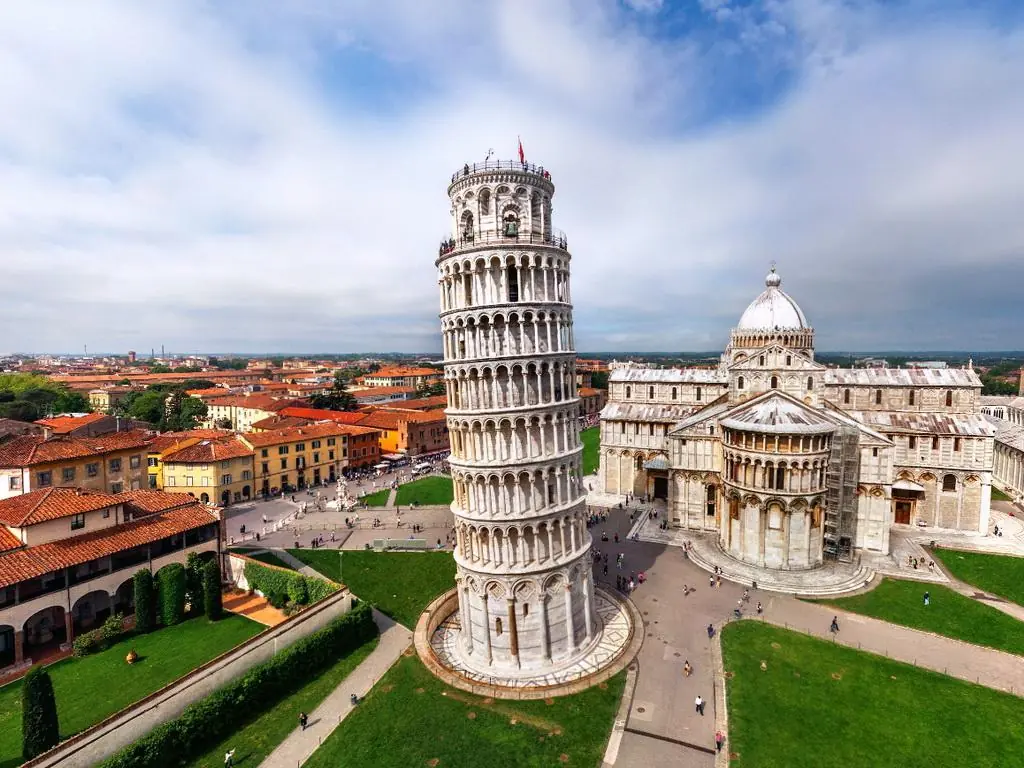
Today, there are few people in the world who haven't heard of the Leaning Tower of Pisa. And the main feature of this structure is the strong tilt, thanks to which it creates the impression that the tower is falling. In a sense, this statement is true, as the building was becoming 1 millimeter closer to the ground each year until the city authorities resolved this problem at the turn of the 20th and 21st centuries. The process of gradual falling continued for 800 years, of which 200 were spent on construction. And all these centuries, the Leaning Tower of Pisa has been shrouded in many legends. But this article is not about fiction and legends, but about real facts related to truly the most unusual and outstanding structure in Europe.
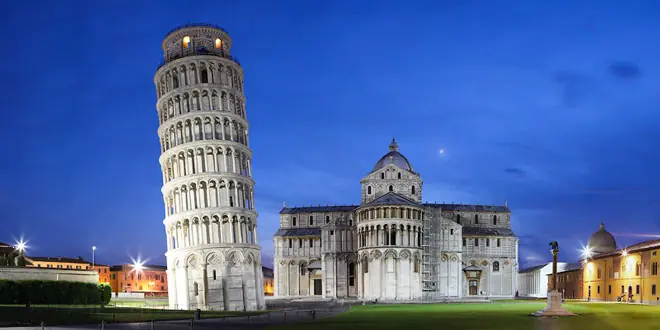
Why is the Leaning Tower of Pisa tilted?
And although there is an opinion that the bell tower was originally conceived with such a defect, over time it has become known that the initial project did not include any tilt. The tilt really manifested quite early - during the first stages of construction. According to scientists, the cause of the problem was a combination of factors: soft ground, incorrect foundation laying, and groundwater.
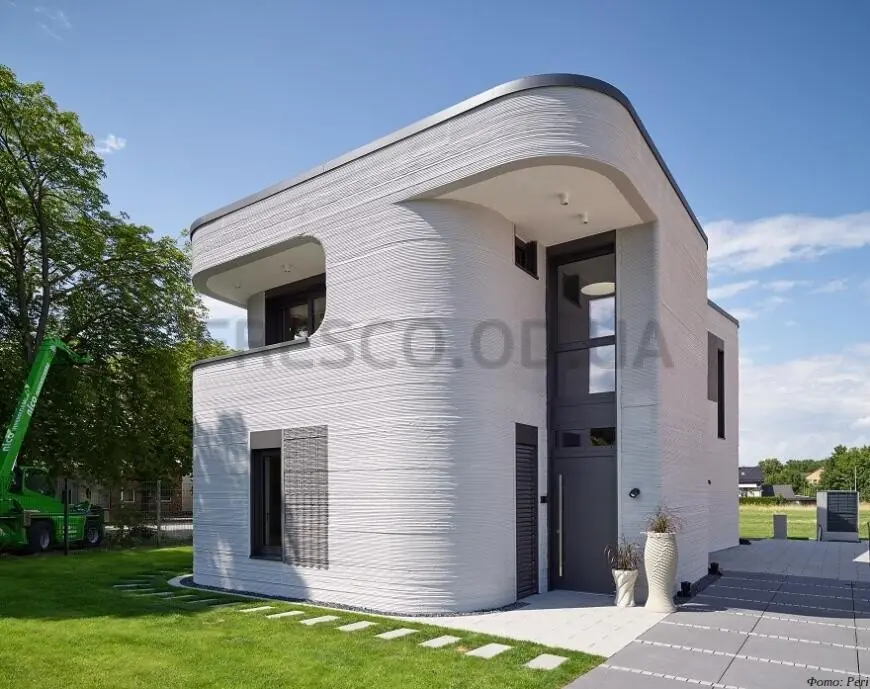
Строящиеся здания today are built on strip, pile, or slab foundations, which, when properly installed, provide stability to structures.
The world-famous "falling" of the tower made Pisa a place of pilgrimage for millions of tourists from all over the world. And there is really something to see. The legendary bell tower is one of the elements of the beautiful city cathedral of Santa Maria Assunta, and also has the status of a UNESCO World Heritage Site. Local authorities make every possible effort to ensure that the famous structure not only does not collapse but also looks dignified: counterweights are used, columns are changed, and the foundation is strengthened. Because if this is not done, in some 40-50 years the building could truly collapse.
What is special about the Leaning Tower of Pisa?
The basis of the structure is a cylinder, but not a headwear, but a geometric body. And if the cylindrical form of the tower can be seen with the naked eye, then the hidden middle part is a truly hollow cylinder. This unique feature, combined with the predominant white color of the building and the "lace-like" columns encircling all floors, creates a visual sensation of lightness and airiness of the structure.
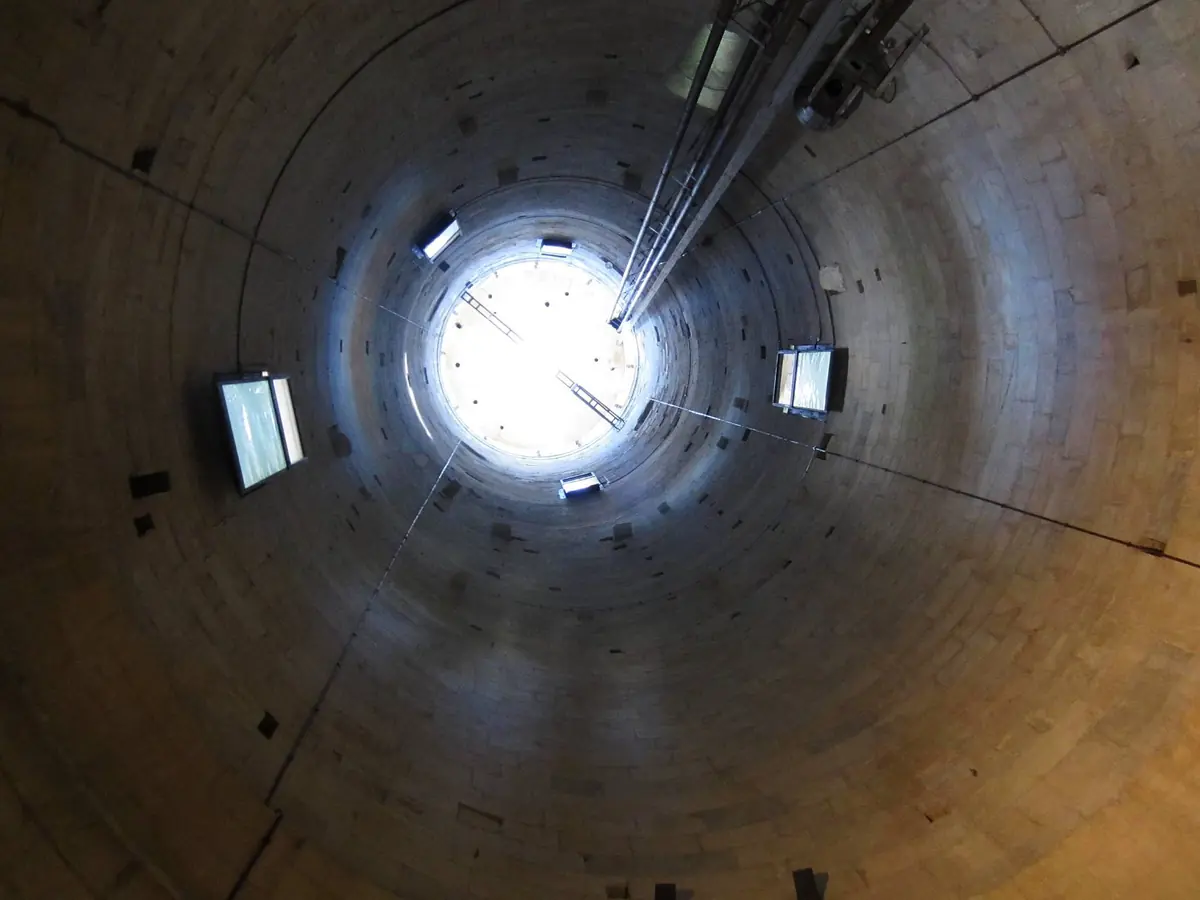
In fact, the tower has quite powerful parameters, as the thickness of its lower walls is almost 5 meters, and the upper ones - 2.5. The height of the building is 56 meters, which includes 7 floors, not counting the bell tower. The approximate weight is about 14.5 tons. The area of the foundation under the building is 285 square meters. Currently, the tower's deviation from the norm is 10%. At the same time, the bell floor added in the 14th century is perfectly level.
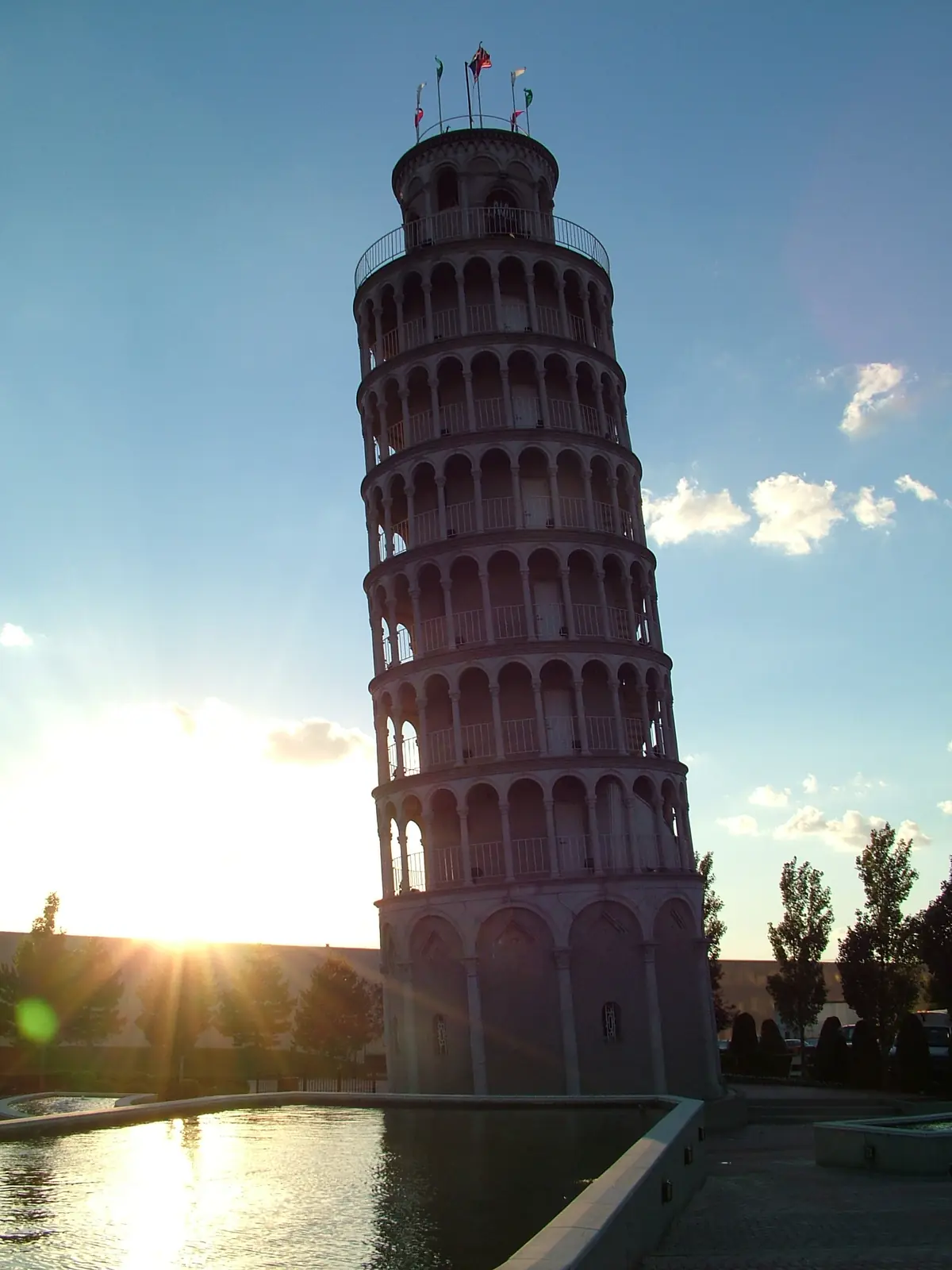
Strangely enough, but after many centuries, in 1934, in a small town of Niles, near Chicago, a very close copy of the famous tower was built. Although its height is half that of the original, local residents are proud of the structure and recently even completely renovated the area around it. The famous slogan comes to mind: "Why pay more?" Although, of course, this statement would be better suited in the case when you need
to buy an apartment in Odessa in a new building, rather than to admire an architectural and historical monument.