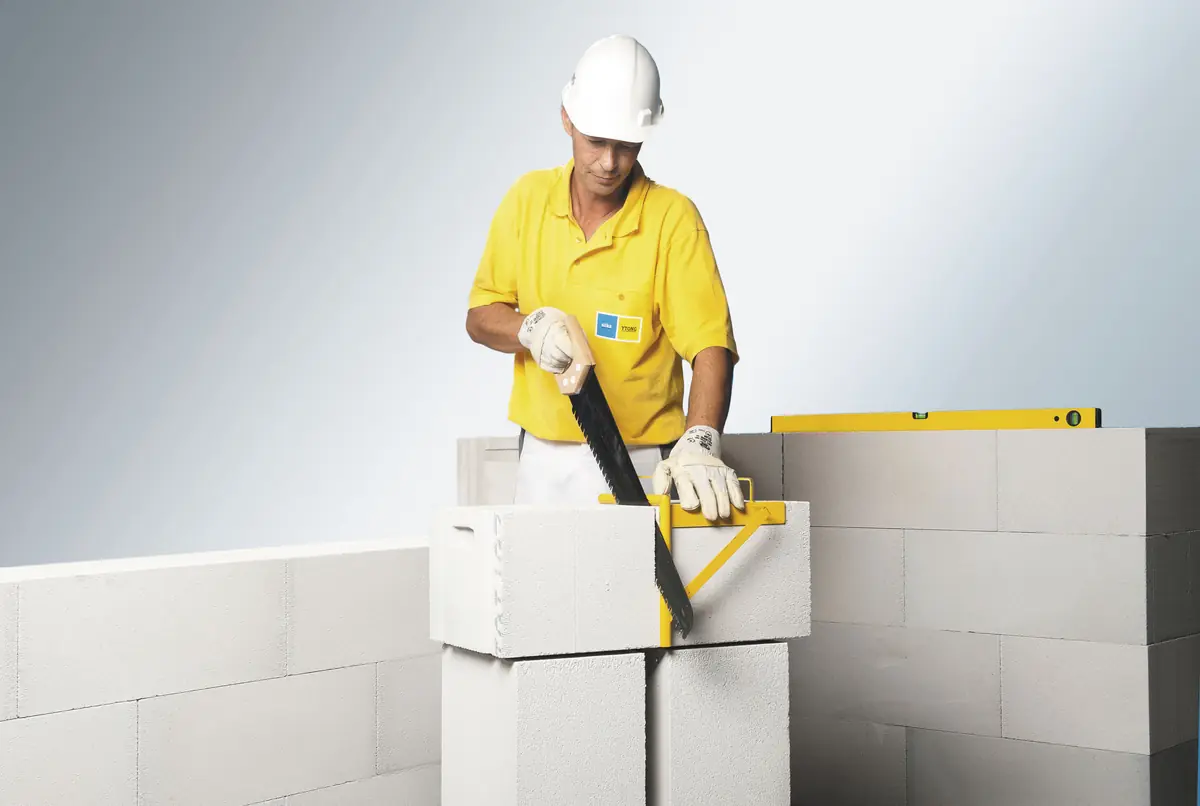
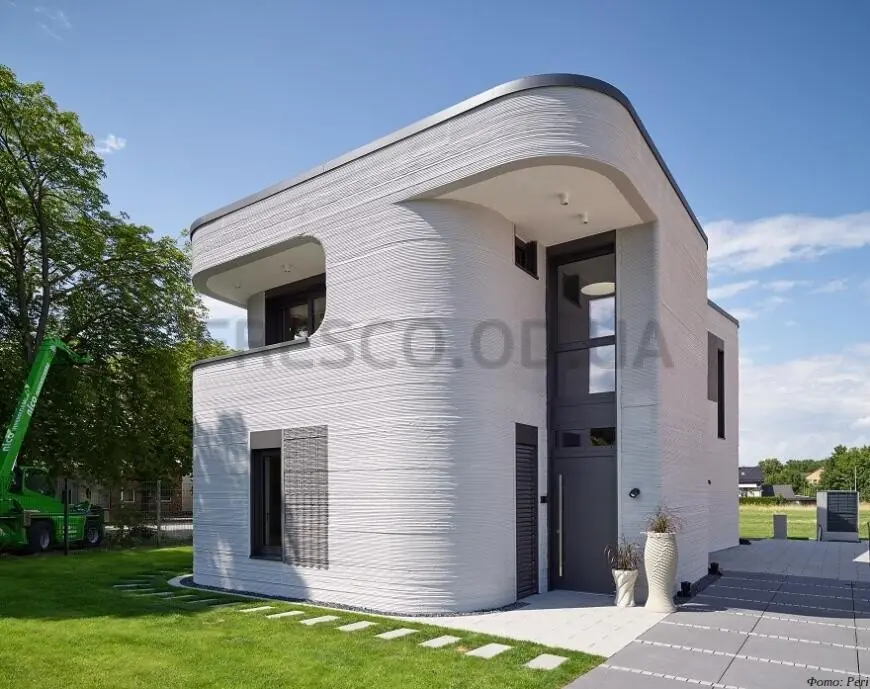
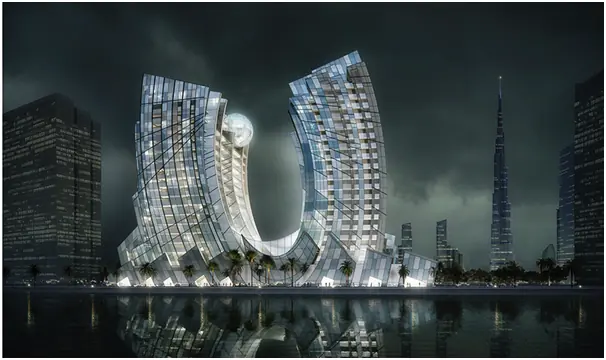
Aerated concrete, foam concrete, gas block, foam block, gas silicate - essentially they are cellular concretes. Differences lie in production technology, some constituent components, and sometimes just in the name... For a more detailed description of the differences, we can write a separate article if you are interested - write about it in the comments.
Currently, practically everywhere, including by all conscientious developers, aerated concrete is used as the strongest, most practical, high-quality, and geometrically stable type of cellular concrete. Therefore, let's agree further to consider specifically
aerated concrete.
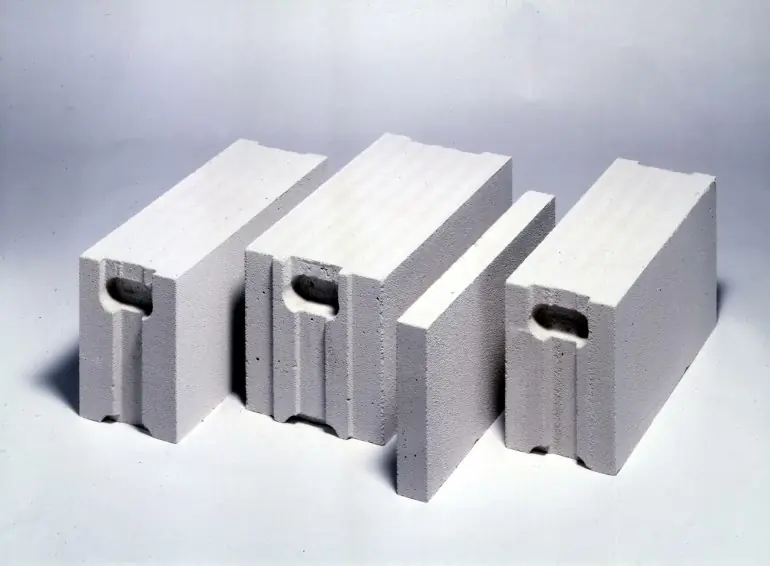
Aerated concrete is not all the same. One of the main characteristics of aerated concrete is its
density -
i.e., the percentage content of air and concrete mixture.
The more air - the warmer and lighter the aerated concrete, and the smaller the loads transferred to the foundation and load-bearing structures.
The more concrete mixture - the stronger the aerated concrete and the heavier the building as a whole.
Did you know that according to Ukrainian building codes (DBN B.2.6-31:2006) the minimum thickness of a wall made of aerated concrete can be 26 cm? Read more in the article: Aerated concrete grades and heat retention in the apartment.
Advantages and disadvantages of aerated concrete
Aerated concrete, like any other building material, has both advantages and disadvantages. When choosing aerated concrete for a new building, the construction company considers its characteristics in conjunction with the building's number of floors, features of the structural scheme, soil geology, foundation requirements, and other factors.
And we
let's consider the pros and cons of cellular concretes important for carrying out finishing and repair work, as well as operation and living in the apartment.
Among the main advantages of aerated concrete, the following should be highlighted:
- even walls. There is no need for thick plaster to level the walls; a thin layer of putty is sufficient.
- good thermal insulation. Aerated concrete is one of the warmest building materials.
Among the main disadvantages of aerated concrete are:
- strength, which is related to the high porosity of the material and the need to use special fasteners for mounting heavy wall structures.
- sound insulation. Many residents of new buildings complain about high noise transmission through walls.
In the future article PROS AND CONS OF AERATED CONCRETE, we will examine the advantages of aerated concrete in more detail and broadly address the disadvantages and ways to mitigate them.
To get acquainted with already under construction new buildings, compare their characteristics you can on our
website, and to find out availability and prices of apartments in them, call phone
(048) 700-00-42 and our managers will be happy to consult you on all questions.