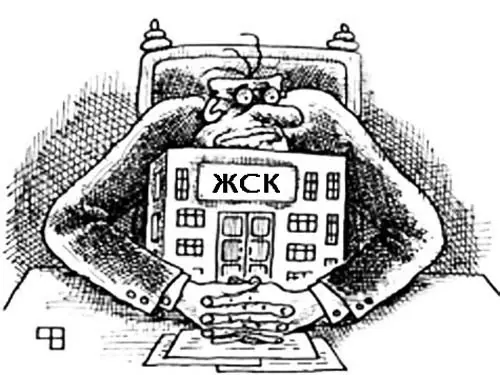
Corporate cooperative or “Let’s figure it out among three”
 18.08.16
Having decided to purchase real estate in a new building, you have encountered the fact that buying an apartment in your chosen building is possible only through joining a cooperative? Our article will help you understand the pitfalls of such a purchase.
According to the Law of Ukraine “On Investment Activity”, the attraction of funds for housing construction must occur exclusively through one of the listed methods: Construction Financing Funds, Real Estate Operations Funds, Joint Investment Institutes (Share or Corporate Funds), and by issuing (emitting) target bonds. Other methods must be directly stipulated by law.
Such “other” method is the Cooperative. The activity of cooperatives is regulated by the Law of Ukraine “On Cooperation”. The main idea of cooperation is the union of individuals and legal entities to satisfy their personal and collective interests, distributing risks, income, and expenses.
Depending on the direction of activity, cooperatives can be various; we will focus on Housing-Construction (HC) cooperatives, as they are most commonly used for our purposes.
Members of the housing-construction cooperative contribute monetary funds (share), in return the HC (represented by the Board) “promises” to build a house, put it into operation, and transfer a specific apartment to a cooperative member (shareholder). A cooperative shareholder can be compared to a shareholder of a company. Shareholders can convene a general meeting, make “important” decisions regarding the cooperative’s activity, elect the board, the auditor... And at the same time, cooperative members bear the risks and responsibility for the cooperative’s activity in the amount of their share.
The law also provides for “Associate Membership”. Associate members have no rights in decision-making concerning the HC’s activities. However, decisions made by cooperative members are binding on associate members. In practice, practically all construction cooperatives accept investors as associate members. The members are three trusted persons of the Developer, among whom is the elected Chairman of the cooperative.
Unfortunately, not all developers are honest, and since, by law, the Board's liability to shareholders essentially does not exist, developers take advantage of this. Let us consider an example of how events sometimes unfold.