To heat 1 square meter of housing in a multi-apartment building, Ukraine spends gas 2.5 times more than Europe. At the same time, we lose energy resources worth
100 million hryvnias, which is 1.5 billion dollars per year.
The reason for such huge losses is the low energy efficiency of Soviet Khrushchevkas. In good new buildings, energy and monetary costs for heating are significantly lower than in old buildings.
Why is there a difference in heat energy consumption between old and new apartments?
Why do we pay less for heating an apartment in a new building than for heating a Khrushchevka?
To find out the answers, read the article.
Where does heat and money go from Khrushchevkas
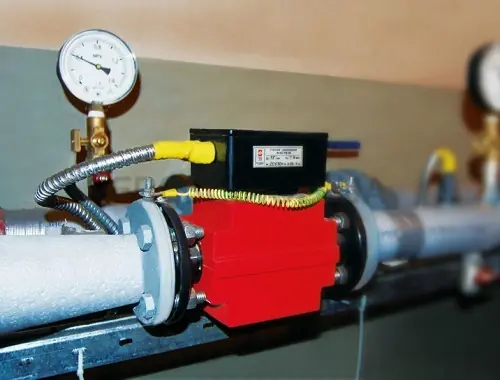
- No individual heat meters
An individual meter serves so that the consumer pays exactly for the amount of heat that enters his apartment. In old apartments, it is technically difficult to install individual heat meters due to the vertical heating system.
In most Khrushchevkas, one building has a common heat meter. Therefore, the cost of heat is distributed among apartments proportionally to their heating area. The consumer pays not only for everyone, but also always — even when not in the apartment during the day or several months.
 In some old multi-apartment buildings, neither individual nor common heat meters are installed. Residents pay the full tariff for scorching radiators at positive temperatures or for slightly warm ones — in severe frost.
And since tariffs increase with each heating season, the cost of heat in buildings without meters increases four- to fivefold.
In some old multi-apartment buildings, neither individual nor common heat meters are installed. Residents pay the full tariff for scorching radiators at positive temperatures or for slightly warm ones — in severe frost.
And since tariffs increase with each heating season, the cost of heat in buildings without meters increases four- to fivefold.
- Heat losses due to worn-out heat networks
Distribution and in-house heat networks in Ukraine are worn out by 70 — 80%.
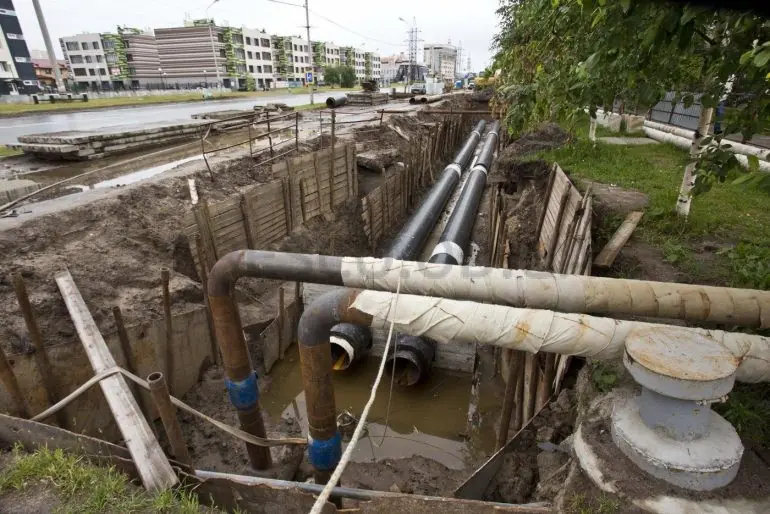 And seventy-year-old dilapidated Khrushchevkas not only consume excessive resources, but also lose heat:
- 15% — in worn-out distribution networks;
- 5% — in outdated boiler equipment;
- 20 – 30% — through old in-house networks.
- The street heats up, but not the apartments
Usually in old buildings, the outer walls are insufficiently insulated and there are no quality energy-saving doors and windows in the entrances. Due to poor-quality doors and windows, heat does not stay inside the premises, but goes out to the street.
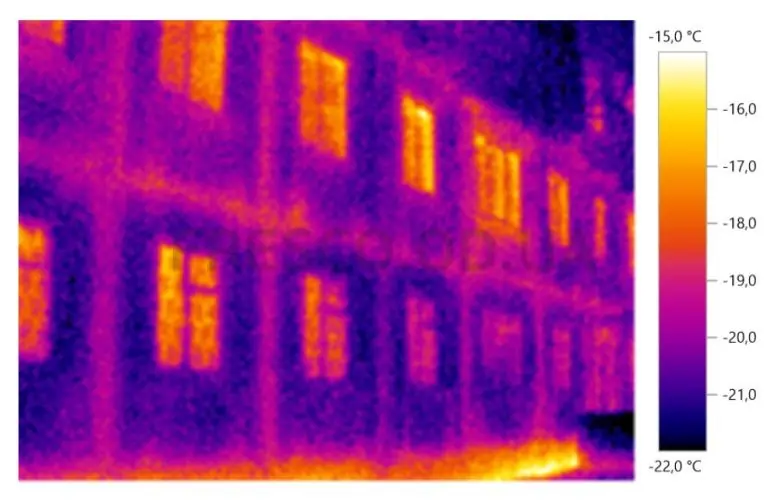 Under these conditions, all residents of old multi-apartment buildings become hostages of the previous inefficient system. Despite their willingness, people cannot save not only heat and their money, but also natural resources, which are becoming scarcer on Earth.
All heat resource losses have been shifted by suppliers onto the shoulders of Khrushchevka residents, who actually pay for "air". They have no way to regulate heat supply: reduce consumption in warm weather or turn off heating during vacation.
Under these conditions, all residents of old multi-apartment buildings become hostages of the previous inefficient system. Despite their willingness, people cannot save not only heat and their money, but also natural resources, which are becoming scarcer on Earth.
All heat resource losses have been shifted by suppliers onto the shoulders of Khrushchevka residents, who actually pay for "air". They have no way to regulate heat supply: reduce consumption in warm weather or turn off heating during vacation.
And what about new buildings?
In new residential complexes, the situation with heating payments is completely opposite.
Why owners of apartments in new buildings significantly save heat and money
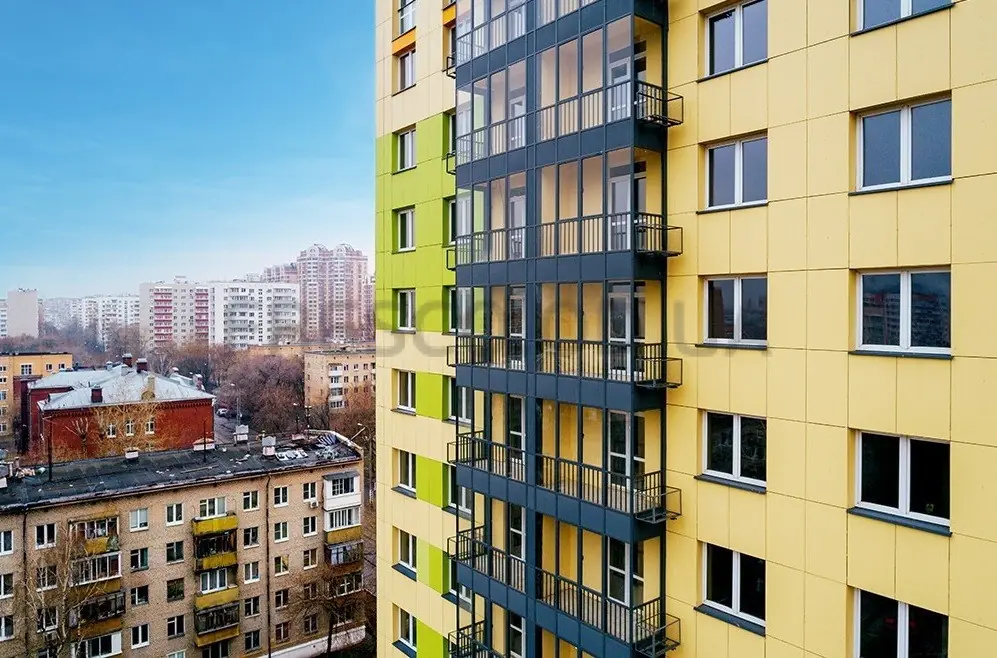
- buildings are constructed with effective energy-saving technologies;
- heat losses are reduced to almost zero;
- walls are often insulated with mineral wool, which is a highly effective heat-saving material that also contributes to sound insulation and normal air circulation;
- in many new buildings, exterior doors and